
Studying MBBS in Uzbekistan can be an option for Indian students who want to pursue medical education abroad. Some universities offer medical programs at a lower cost than many private medical colleges in India.
During your studies, you learn medical subjects, develop practical skills, and gain clinical experience based on your university’s training program.
At Pulse Education, you get guidance throughout your MBBS admission journey. We help you explore university options, understand admission requirements, prepare your documents, and give academic support throughout your medical journey. Our goal is to make the process easier for you and your family.
If you are planning to study medicine abroad, Uzbekistan is one of the countries you can explore. You can compare universities based on fees, teaching methods, clinical training, and student facilities.
You can apply to eligible universities if you meet their academic and admission requirements. Indian students must also meet the applicable NEET and other requirements for studying medicine abroad.
Medical universities focus on practical training in real hospitals. They give you hands-on experience with patients and international exchange programs to help you build real-world doctor skills.
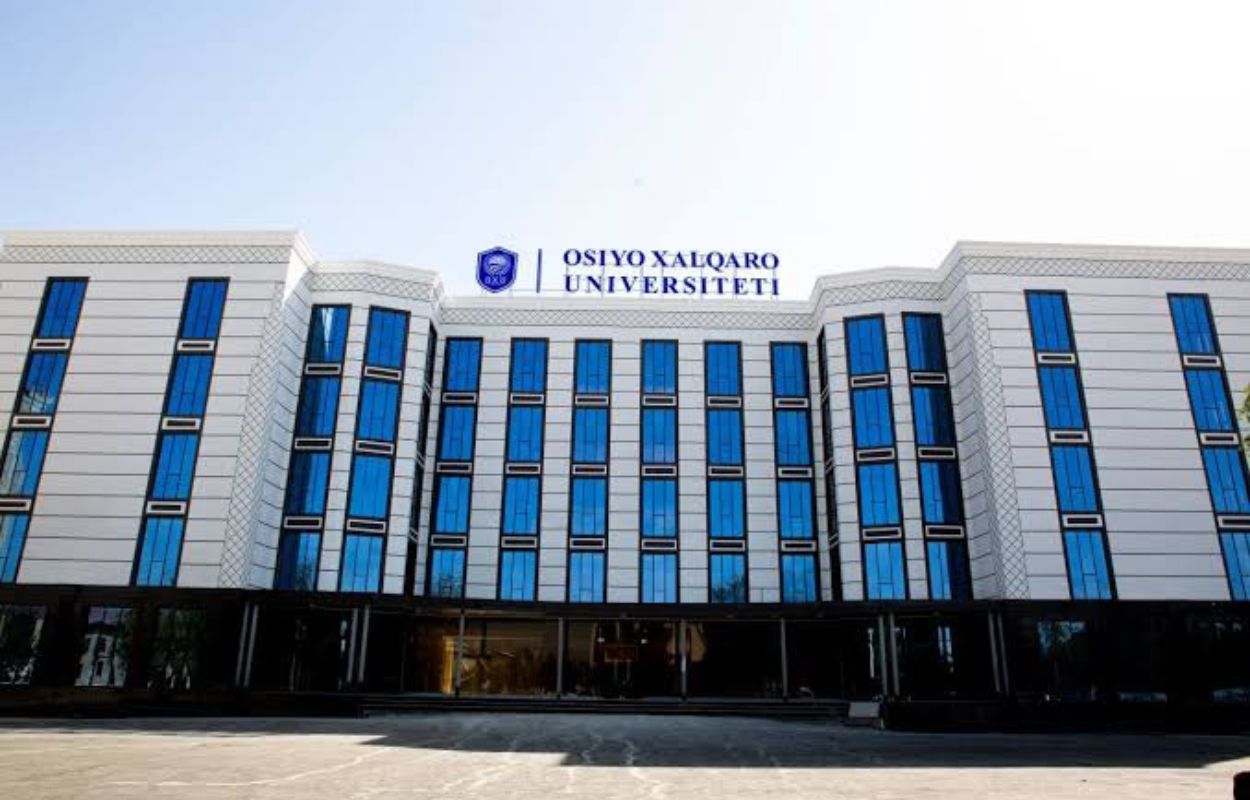
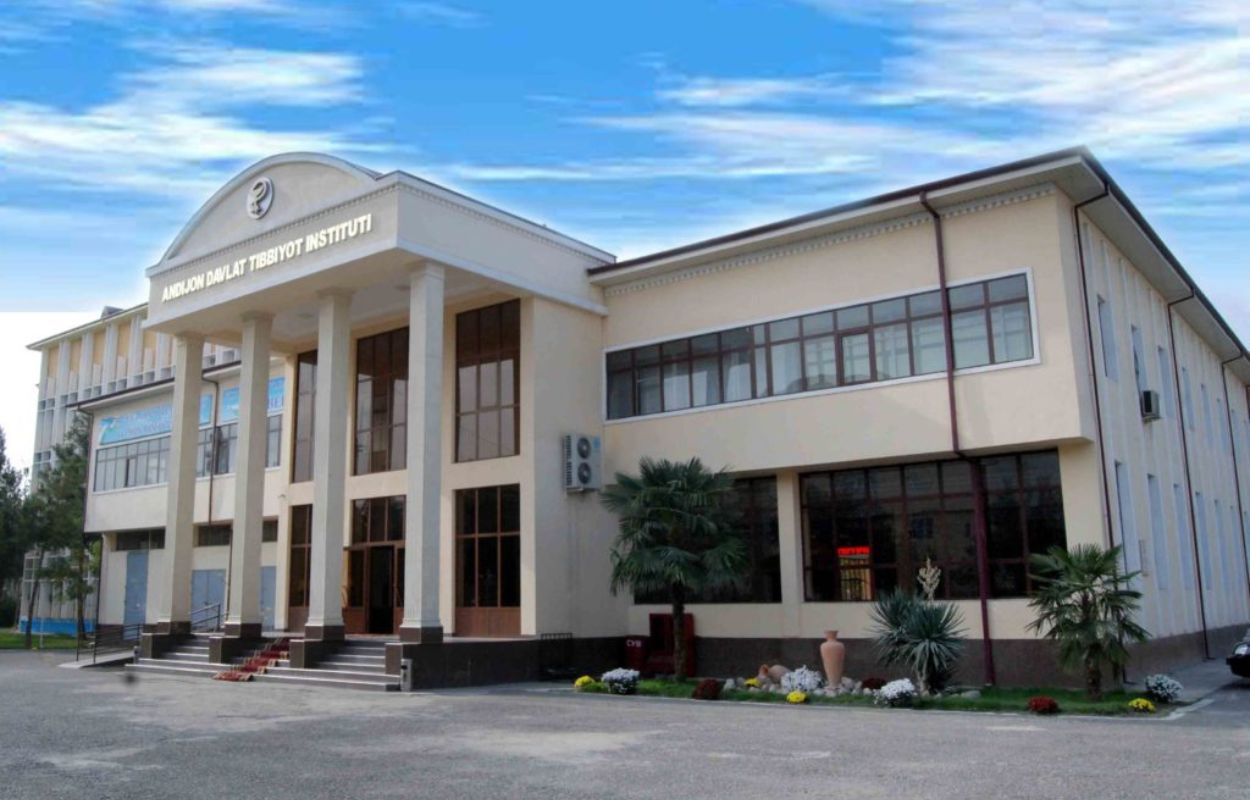
Some medical universities provide laboratories, classrooms, and clinical learning facilities. Before admission, you should check the actual facilities available at your chosen university.
To practice in India, you must meet NMC requirements and complete the required licensing process. For countries like the USA or UK, check eligibility through their official licensing authorities.
Clinical training helps you understand how doctors examine patients. You should check the university's affiliated hospitals, clinical training schedule, and the amount of hands-on experience included in the program.
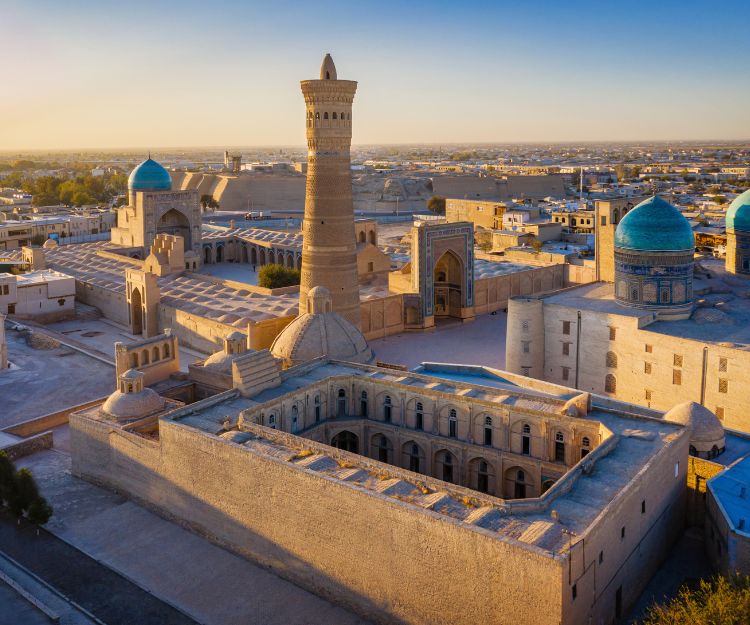
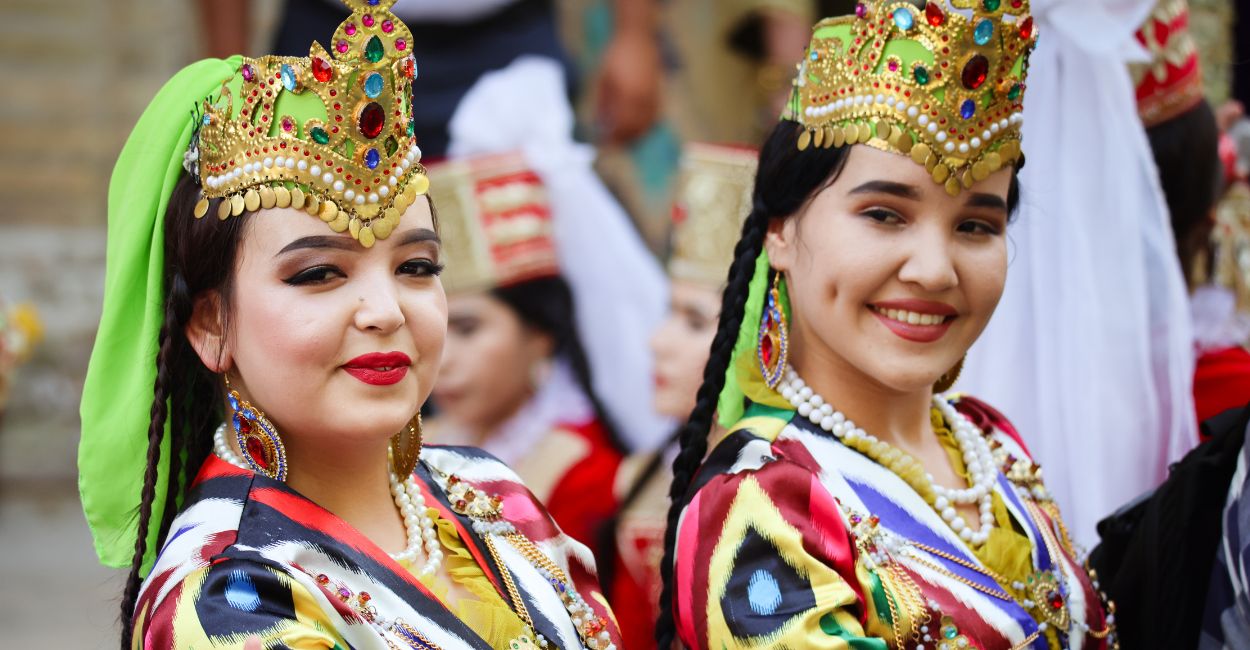
You can experience Uzbekistan's culture, history, food, and local lifestyle while studying. Learning about the local environment can help you adjust to life in a new country.


The medical program duration depends on the university and its approved curriculum. Many medical programs for international students are structured over six years, including clinical training.
Before applying, you should confirm the exact course duration and internship requirements with your university.
Years 1-5: Medical Education and Clinical Learning
During these years, you study basic medical sciences and clinical subjects. You also develop your understanding of patient care through practical classes and clinical training, according to the university’s curriculum.
Year 6: Clinical Internship
The final year may include clinical internship or practical training, depending on the approved program. You gain experience in clinical settings and learn how medical professionals work with patients.
You should verify the internship duration, location, and compliance with NMC requirements before admission.
| Continent / Region | Central Asia |
| Capital | Tashkent |
| Currency | Uzbekistani Soʻm (UZS) |
| Literacy Rate | 100% (Universal adult literacy, UNESCO data) |
| Time Difference | Uzbekistan is 30 minutes behind India (IST − 0:30) |
| Geography & Climate | Landlocked country with warm summers and cool to mild winters. It is known for its history along the Silk Road. |
| Languages Spoken | Uzbek and Russian. English is used as the medium of instruction in selected programs. |
| Religions | Predominantly Islam, with other religious communities. |
When you study MBBS abroad, you experience a new education system and lifestyle. Uzbekistan gives you the opportunity to learn about a different culture while pursuing your medical education. Your experience will depend on the university, city, accommodation, and support services available to you.
Student Visa: You need the appropriate visa and documents to study in Uzbekistan. Check the latest visa process and requirements before travelling.
Safety: You should review your university’s safety arrangements, accommodation, and local conditions.
Cultural Experience: You can explore local traditions, food, and cultural activities while adjusting to life abroad.
Medical Facilities: Check whether your university provides the laboratories and equipment required for your course.
English-Medium Programs: Some universities offer medical programs in English. Confirm the actual language of instruction and the availability of clinical communication support.
Clinical Training: Ask about hospital affiliations, clinical rotations, and student participation in patient care.
Your living experience depends on the university and the city you choose.
Hostel Facilities: Ask about room arrangements, heating, internet, security, and hostel rules.
Indian Food: Indian food is available in university messes or nearby restaurants.
Campus Activities: You can explore student clubs, cultural events, sports, and other activities.
Travel and Connectivity: We will assist you in checking flight options, travel time, and local transportation before planning your journey.
Helpful Tip: Before joining, ask your university for current information about accommodation, food, student support, and clinical training.
Yes, you must meet the applicable NEET requirements for Indian students and the university’s admission criteria. You should verify the latest rules before applying.