
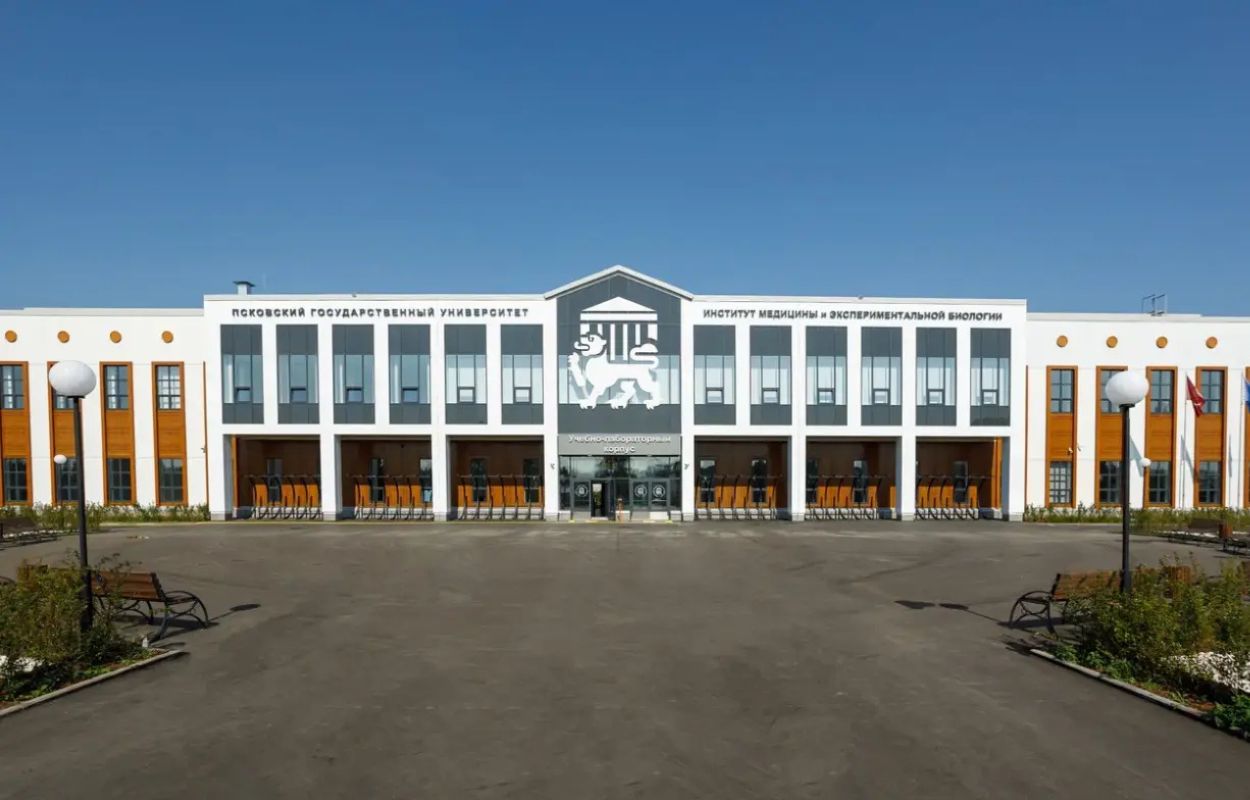
Studying MBBS in Russia can be an option for Indian students who want to pursue medical education abroad. Russian universities offer medical programs where you can develop strong medical knowledge, practical skills, and clinical experience.
During your studies, you learn medical subjects and gain clinical exposure according to your university’s training program.
At Pulse Education, you receive guidance throughout your MBBS admission journey. We help you explore university options, understand admission requirements, prepare documents, and receive academic support throughout your medical education. Our goal is to make the admission process easier for you and your family.
Pursuing MBBS in Russia is one of the most preferred destinations for Indian students aspiring to become world-class doctors. Ranked as the 4th best country for medical sciences, Russia offers top-notch medical education at an affordable tuition fee without compromising on educational quality.
Russia offers low tuition fees and very affordable hostel accommodation, making it an ideal choice for budget-conscious students.
All medical universities in Russia are government-funded institutions providing high standards of education and state-of-the-art facilities.
Direct admission process with transparent fees. No hidden charges or donations required.
Courses are taught in English, ensuring Indian students can learn comfortably and excel in their academics.
Russian universities emphasize hands-on clinical training, encouraging students to actively participate in hospital rotations and practical learning.
Degrees awarded are recognized globally by WHO, NMC (formerly MCI), UNESCO, and medical councils across Europe and America, allowing graduates to practice worldwide.


The MBBS/Clinical Medicine program spans 6 years in total:
Years 1-3 (Basic & Para-Clinical Subjects): You study subjects such as Anatomy, Physiology, Biochemistry, Pathology, Pharmacology, and Microbiology.
Years 4-5 (Clinical Subjects): You learn clinical subjects such as Medicine, Surgery, Pediatrics, and Obstetrics & Gynaecology, along with hospital-based training.
Year 6 (Clinical Training & Internship): You complete practical clinical rotations and supervised hospital training according to your university’s program.
| Continent / Region | Eastern Europe and Northern Asia |
| Capital | Moscow |
| Currency | Russian Ruble (RUB) |
| Literacy Rate | Approximately 99% |
| Time Difference | Varies by region (Moscow is 2 hours 30 minutes behind India) |
| Geography & Climate | The world’s largest country, featuring diverse landscapes and cold winters in many regions. |
| Languages Taught / Spoken | English (in selected medical programs), Russian, and regional languages |
| Religions | Christianity, Islam, Buddhism, Judaism, and others |
Studying MBBS in Russia gives you the opportunity to experience a new culture while building your medical career. You can enjoy student life, gain medical knowledge, and develop practical skills in a structured academic environment.

Student-Friendly Cities: You can choose from different Russian cities with established universities and student communities.
Cultural Experience: You experience Russian culture while meeting students from India and other countries.
Student Safety: You should follow university safety guidelines and choose suitable accommodation.
Medical Universities: You study medical subjects through structured academic programs.
Practical Training: You develop clinical skills through practical classes and hospital-based training, depending on your university.
Language Learning: You may learn Russian to communicate effectively during clinical training and daily life.
Hostel Facilities: You may access university hostels with essential facilities, subject to availability.
Indian Food: Some universities and nearby areas offer Indian food options.
Indian Student Community: You can connect with Indian students and participate in cultural activities.
Weather & Lifestyle: You should prepare for Russia’s cold winters and adjust to local living conditions.
Many Russian universities offer English-medium medical programs. You should confirm the language of instruction while choosing your university.
No, you can speak in English but learning basic Russian can help you communicate with patients and manage daily activities during your medical studies.